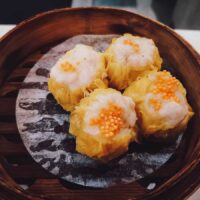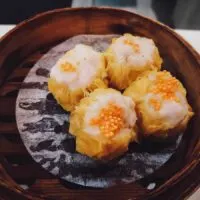

Dim Sum and the Traditional Yum Cha Experience
Dim sum is a style of Chinese cuisine. It can be found in different forms throughout the country, though it’s most closely associated with Hong Kong and Guangdong Province – ie Cantonese cuisine.
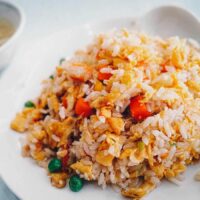
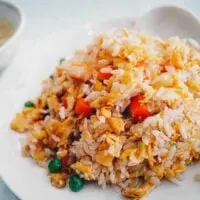
Fried rice is believed to have started as a means to deal with leftovers, specifically meat and vegetables from yesterday that have passed their prime but are still good to consume. The standard ingredients are generally shrimp, pork, and egg, which are stir-fried in chopped garlic and vegetables, and seasoned with soy sauce.
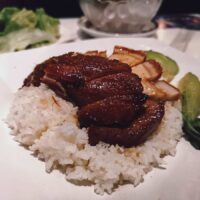
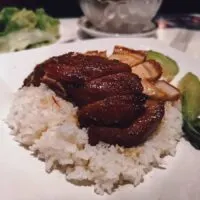
Char siu refers to barbecued pork and is the most popular type of siu mei in Cantonese cuisine. The term char siu literally means “fork roasted” and refers to the traditional method of skewering seasoned boneless pork with long forks and cooking it over an open fire.
Hong Kong is a gastronomic city in every way, offering a range of experiences from fine dining to street food, a lot of it at a very high level.
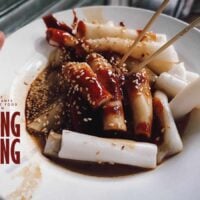
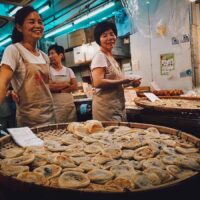
This Hong Kong food tour takes you to key spots in Kowloon like Mongkok and Sham Shui Po to give you the most authentic examples of Cantonese cuisine. There are no touristy stops on this tour. Each place has a long history and many of them are known only to locals.
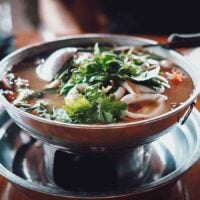
Tom yum goong is a hot and sour shrimp soup generally touted as the dish that defines Thai cuisine. It’s derived from the Thai words “tom,” which refers to the boiling process, “yam,” a Thai spicy and sour salad, and “goong” for shrimp.
Phuket was once a port of call, routinely seeing traders from China, India, Malaysia, Persia, Arabia, Indonesia, and Portugal. Each of these traders brought with them spices, recipes, and cooking techniques that helped shape Phuket’s cuisine.
Soto is a traditional Indonesian soup made with different types of meat and vegetables. It’s consumed throughout Indonesia in many forms, its myriad variations named after the region where it’s from or the primary ingredient used.
Whenever we visit a new city, we try to experience as much of the local cuisine as we can. We rarely go to restaurants that serve non-local food so if that means having to ignore a Japanese restaurant in Bangkok in spite of its great reviews, then so be it. But Bali is different.
Based on what I’ve read, Bandung doesn’t have as strong a culinary identity. Most of their food is Sundanese in origin and they aren’t known for any particular dishes. With that said, they have become famous for giving dishes that originated in other parts of the country a unique Bandung twist.